Mahinga Raupo 2026
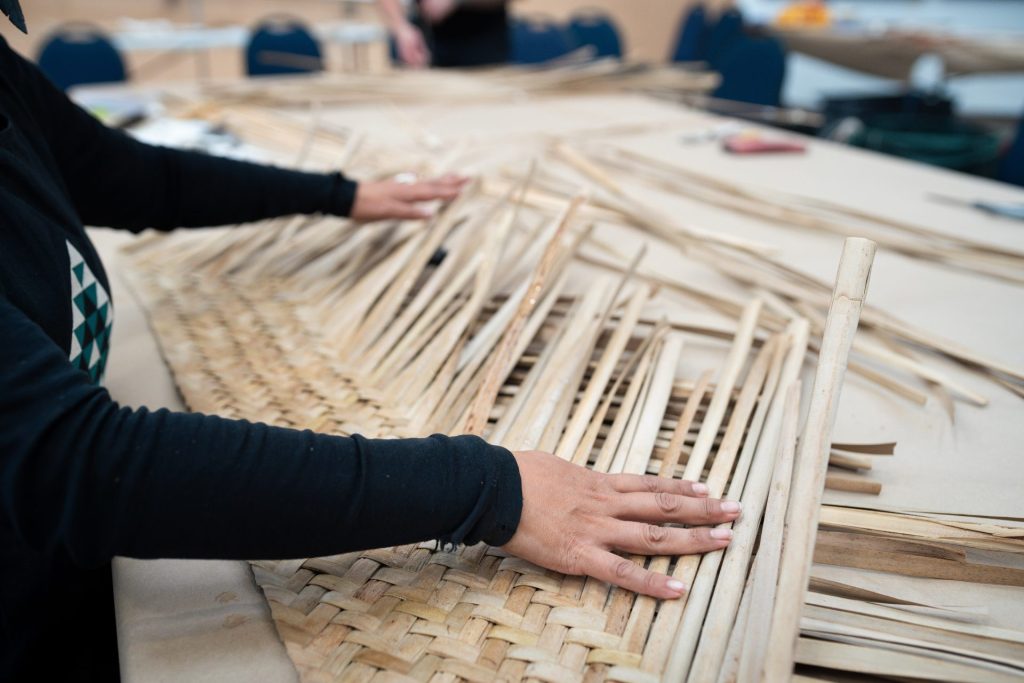
In early May, the whānau of the Hihiaua Cultural Centre welcomed kairaranga, cultural
practitioners, and whanaunga to their whare to engage, deepen their understanding of, and
work with raupō. There to hold space for the wānanga were Tohunga Whakairo Te Warihi
Hetaraka, alongside pūkenga: Alicia Courtney, Wiremu Sarich and other expert practitioners.
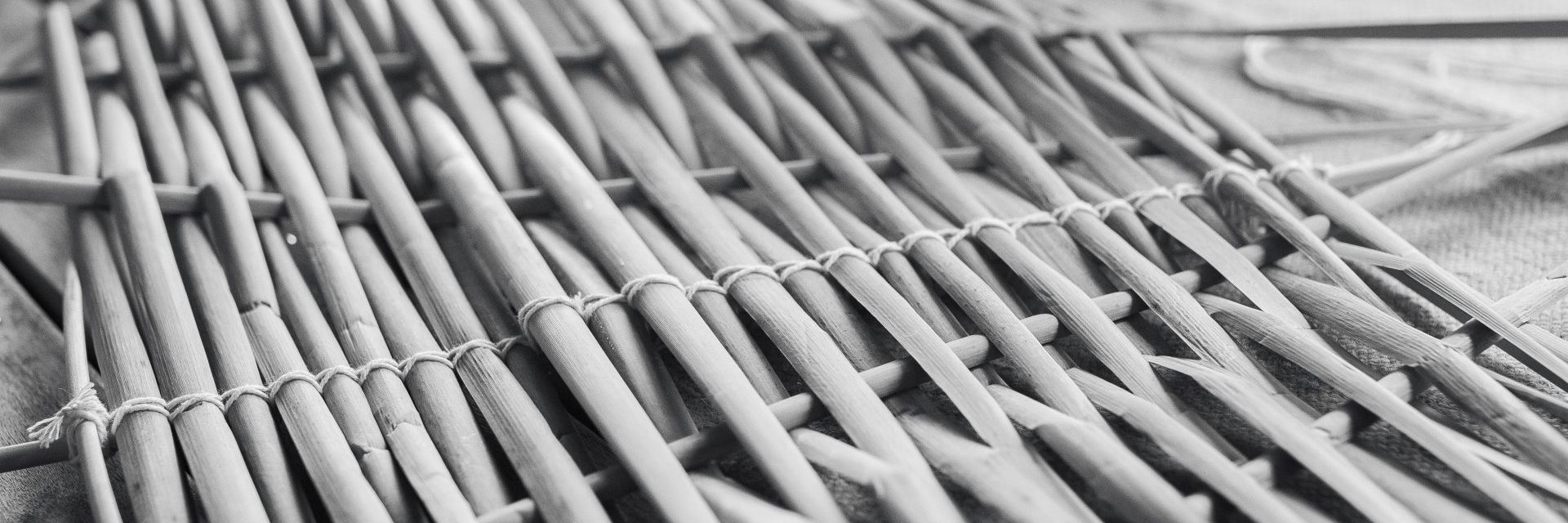
Raupō, with its resilience, integral structure, and versatility, has been used by Māori for
generations; to make whare raupō, to ruru mōki, to raranga poi, and to tukutuku manu,
amongst other uses. Over two-days, including a noho marae at Te Terenga Paraoa Marae,
those who attended were able to explore these practices with raupō, many engaging with the
resource for the first time.
Raupō, of course, cannot be separated from the repo in which it was grown. The raupō
available at the wānanga holds a rich history. It was harvested in January 2025 by a small
team from Hihiaua, Ngāti Kuri, Ngātiwai, 4th Generation, HĀ,The University of Auckland
and Te Papa Tongarewa. This week-long wānanga, hosted by Ngāti Kuri and the 4th
Generation team, involved the sharing of this taonga from the repo of Para Noa, Kapowairua.
Hauhake raupō is best practised in the summer months, when observations of the rau signal
their readiness to harvest, and when the raupō can dry well in the heat. The raupō was
brought to Hihiaua, where it was carefully dried and stored for ruru (tying together/lashing)
mōki by the Hihiaua team.
In April 2025, those who were a part of the hauhake raupō alongside other whānau of
Whangārei Terenga Paraoa gathered at Hihiaua to ruru mōki. Mōki practitioners
from Te Rōpu Rūrū Mōgi, Kāi Tahu, travelled to Te Tai Tokerau to lead the wānanga.
The mōki created in April 2025: Pūpū Whakarongotaua, was launched on an early morning
high tide flowing through Hatea – a sight that had not been seen in over 150 years. A second
mōki was lashed together following the wānanga and has since travelled home to Ngāti Kuri.
Those who gathered at Hihiaua this May were able to learn first-hand about the history of the
raupō from Hine Waitai-Dye and Justice Hetaraka, members of 4th Generation and HĀ,
responsible for the 2025 harvest. Hine reflects on her observations of harvesting last January:
“The harvest in Para Noa allowed the repo to breathe again.”
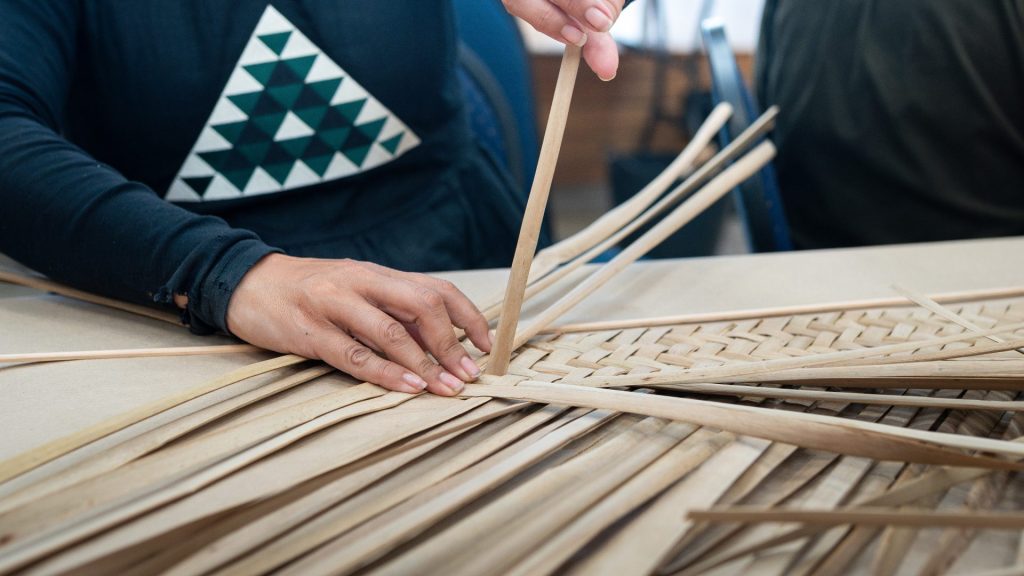
As many embarked on creating a manu tukutuku, Wiremu shared kōrero on both the physical
aspects needed to create a functional manu, as well as it’s function of connecting us to our
atua and to te taiao “a beautiful thing about flying a manu is that you are now directly
connected to Ranginui, we mihi to him all the time but how often are we actually connected?”
As the wānanga drew to a close, Makareta Jhanke expressed: “Enei mahi o ngā tupuna, ngā
mahi tuku iho, kua tukutuku ki tēnei manu, kua tukutuku i tēnei wānanga.”
Our projects are guided by our kaupapa – ‘kia mau, kia ū, kia whakahaungia’ – ‘reclaim,
restore, renew’. This wānanga provided an opportunity for attendees to reclaim, restore and
renew relationships with repo and raupō.
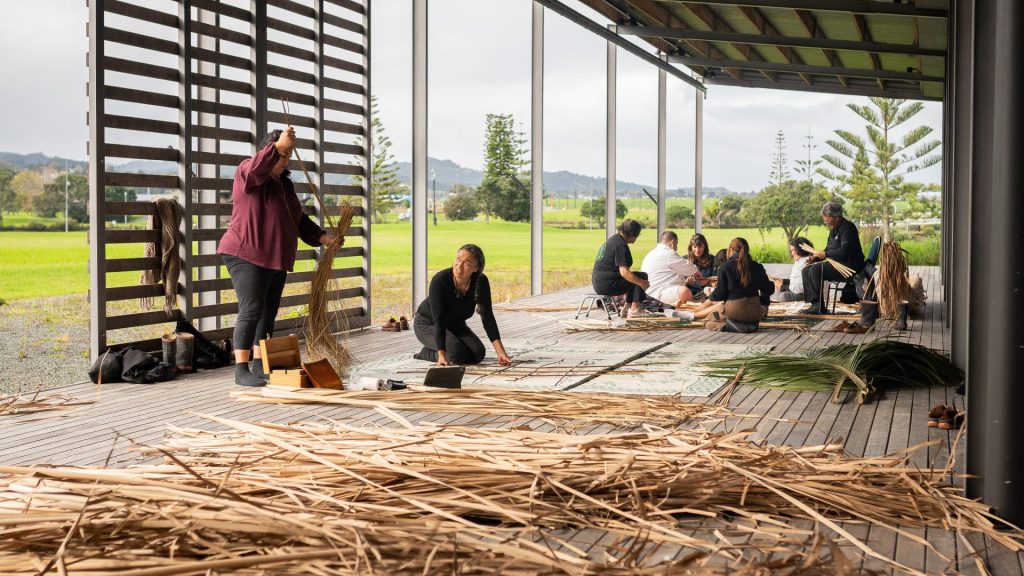
Hihiaua Cultural Centre Trustee Janet Hetaraka states, “The movement of embracing our
natural materials is important. We look forward to more encounters with you, by you and for
you.”
Hihiaua Cultural Centre will be hosting workshops to coincide with Puanga 2026. Look out
for opportunities to register for these workshops on our social media platforms.